Evenimente

07.02.2023

The National Institute of Justice and the School of Fine Arts “Alexei Şciusev” announce the fourth edition of the national contest of fine arts “My home is your home: together in safety”, intended for youngers aged between 11 to 21 years old, from general schools, gymnasiums, high schools, arts schools, centers of excellence and colleges of arts from all over the country.

31.01.2023

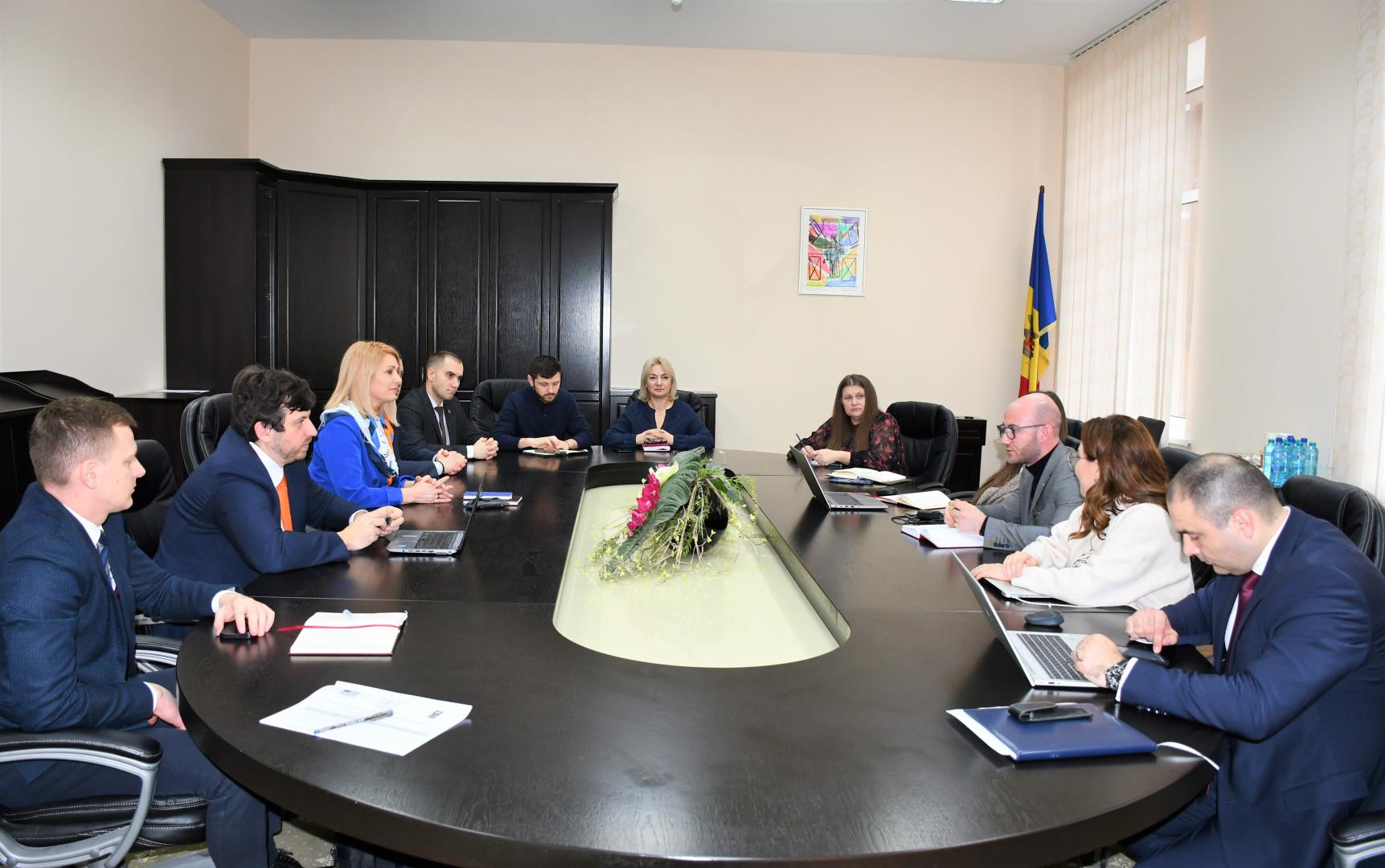
The National Institute of Justice was visited, on January, 30, 2023, by the human rights adviser for the United Nations country team, the head of the UN Office for Human Rights in Moldova (OHCHR), Bea Ferenci, and the national human rights officer, Dumitru Roman. The representatives held discussions with Ecaterina Popa, ad interim Director of NIJ, Cezara-Elena Polisca, adviser to the Director of NIJ, head of the Didactics, Methodological and Training of Trainers Unit, and Tatiana Ciaglic, head of the Legal Information Center of NIJ.

30.01.2023

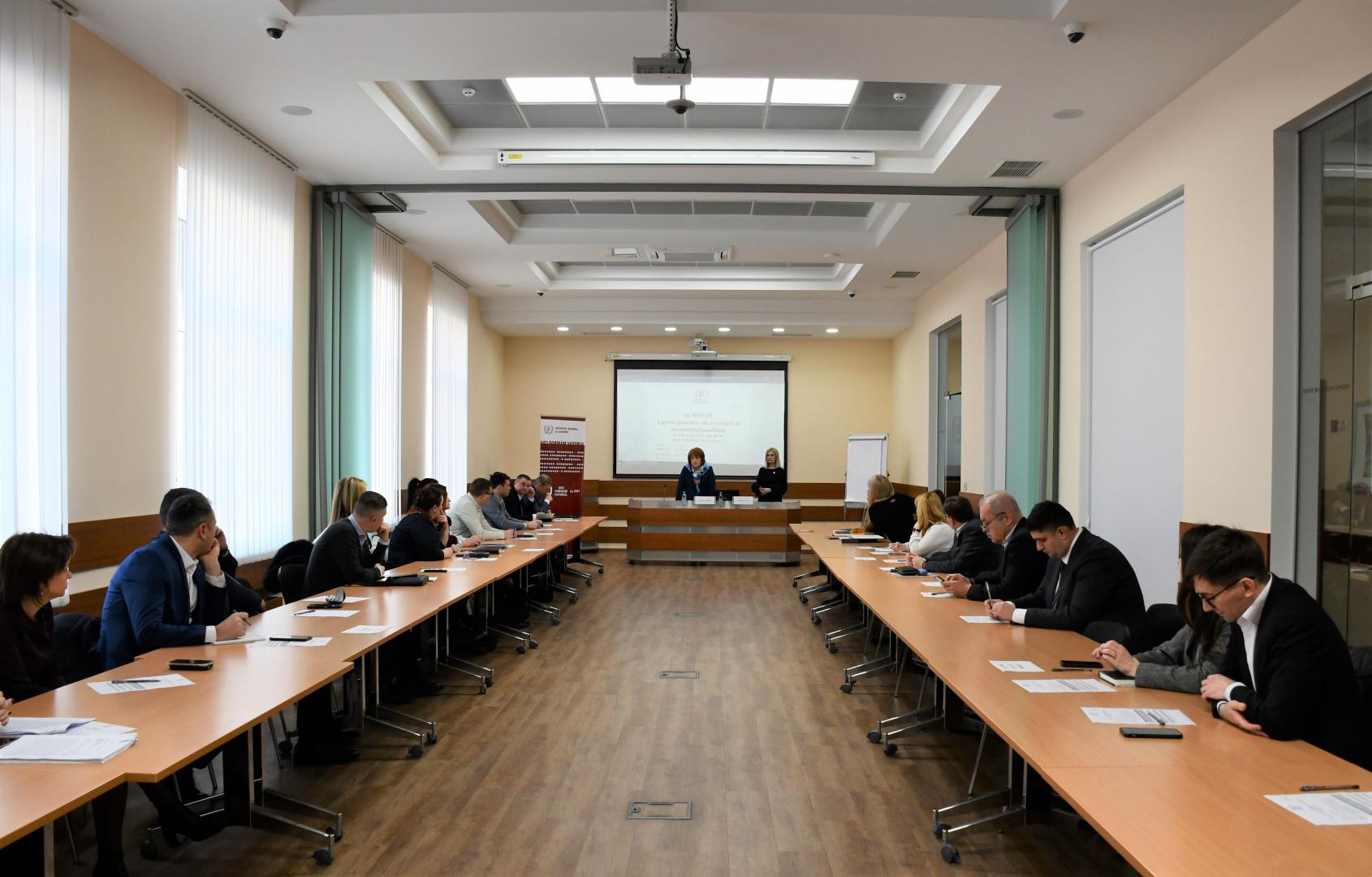
On Saturday, January 28, 2023, on the eve of the Day of the Public Prosecutor's Office, the trainees of both promotions who are studying at the National Institute of Justice participated in discussions on the role of the prosecutor in the administration of justice. The public lesson, entitled "The role of the prosecutor in the administration of justice. Challenges and opportunities", was held by the Deputy of the General Prosecutor, Igor Demciucin, trainer and graduate of NIJ

24.01.2023

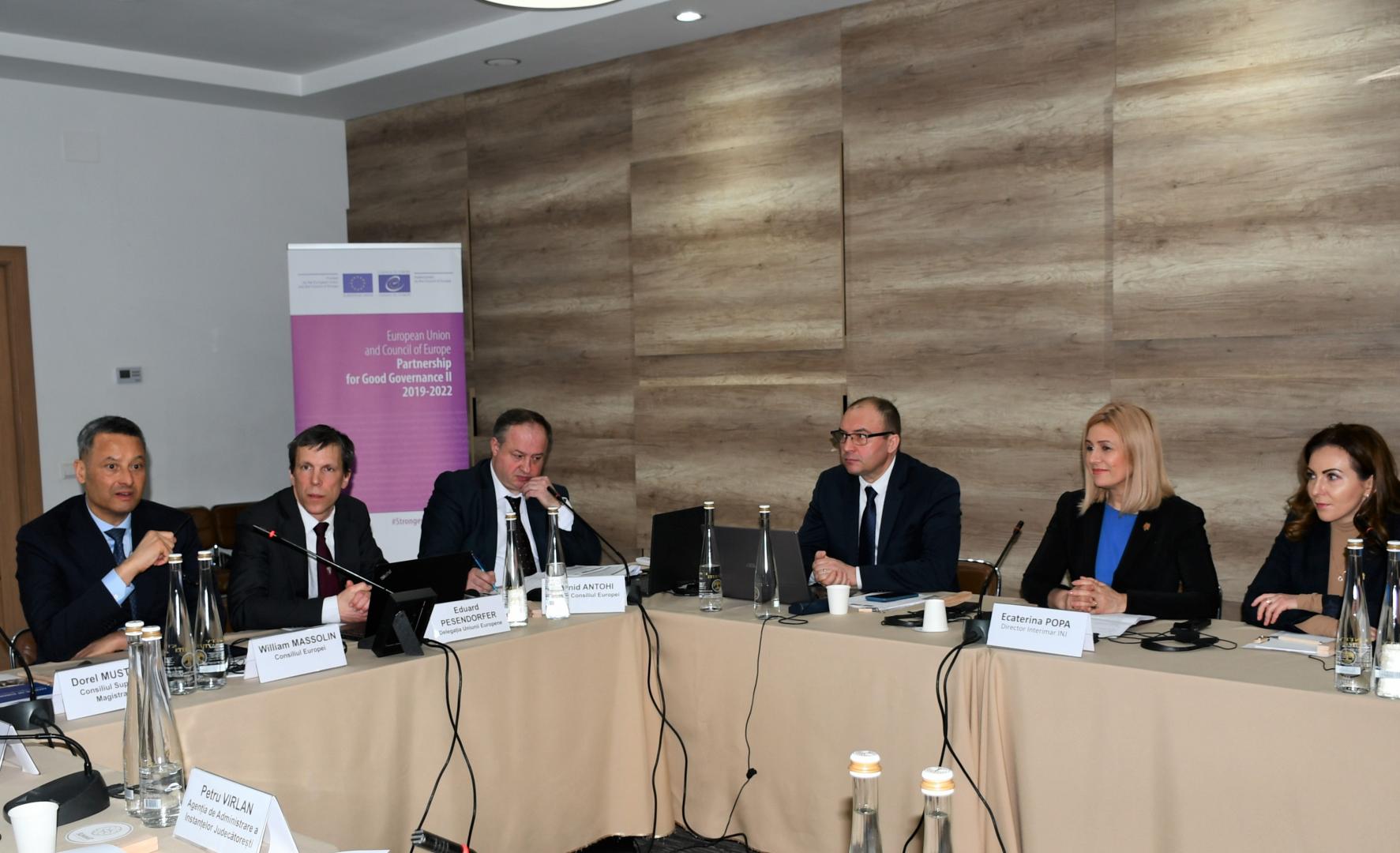
New cooperation perspectives for the Republic of Moldova and the Italian Republic on the quality judicial training of professionals in the justice sector became possible thanks to the Memorandum of understanding concluded between Ecaterina Popa, ad interim director of the National Institute of Justice, and Giorgio Lattanzi, President of the Superior School of Magistracy (SSM).

23.01.2023

The National Institute of Justice, represented by the head of the Legal Information Centre (LIC), Tatiana Ciaglic, participated last week in the regional expert meeting group entitled „Strengthening identification and protection of trafficked persons, especially for the purpose of forced criminality, including through training curricula in South Eastern Europe”.